
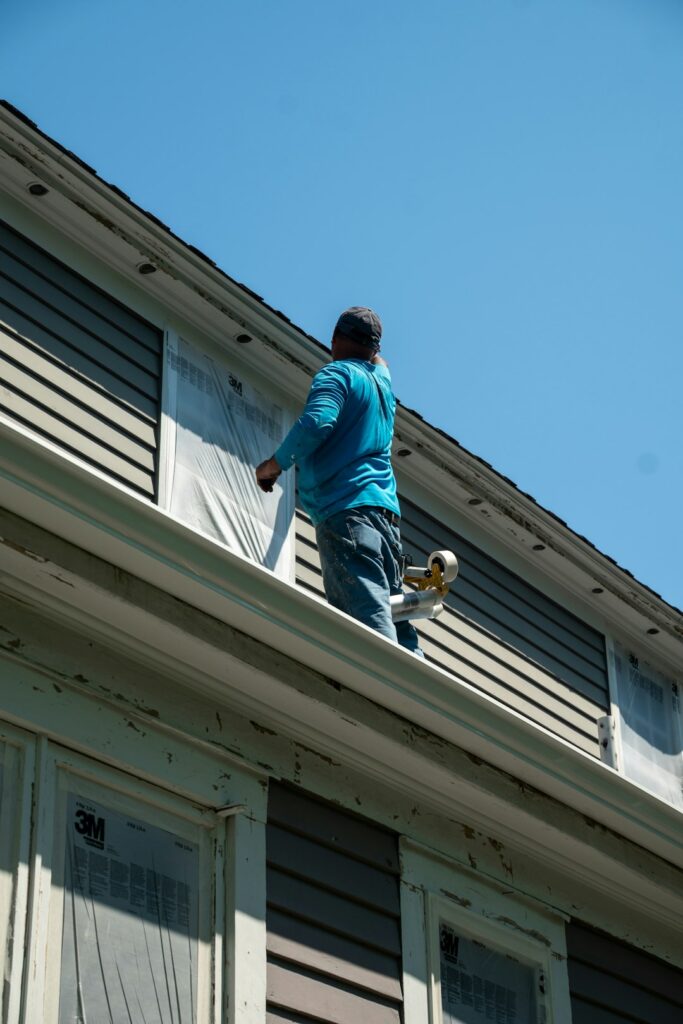
A roof rarely fails all at once. More often, small concerns such as lifted shingles, blocked drainage, worn flashing, or damp insulation develop gradually until they become leaks, interior damage, or an early replacement. Regular maintenance helps identify these conditions while repairs are still limited and easier to manage.
What does regular roof maintenance include?
Regular roof maintenance is a planned review of the roof system, not simply a response to a leak. It includes checking the roof surface, drainage areas, flashing, ventilation, attic, and nearby trees.
A basic maintenance routine may include:
- Looking for cracked, curled, loose, or missing shingles
- Removing leaves, twigs, and other debris from roof valleys and drainage areas
- Checking gutters and downspouts for blockages or separation
- Examining flashing around chimneys, vents, skylights, and roof edges
- Looking for exposed fasteners, damaged sealant, or gaps around penetrations
- Inspecting the attic for damp insulation, daylight, staining, or musty odors
- Trimming branches that rub against the roof or drop heavy debris
Some checks can be made safely from the ground. Walking on a sloped roof, climbing near an unprotected edge, or inspecting icy surfaces creates avoidable fall hazards. A roof inspection may require a qualified person when the roof is steep, damaged, wet, or difficult to access safely.
How does maintenance prevent expensive roof damage?
Routine care limits the time that water, wind, and moisture have to affect the roof assembly. A small opening around flashing may initially cause only a minor stain, but repeated wetting can damage decking, insulation, framing, and interior finishes.
Early maintenance may address a limited area instead of requiring broader reconstruction. It can also reveal conditions that are not visible from inside the home, including:
- Soft or deteriorated roof decking
- Moisture trapped beneath roofing materials
- Inadequate attic airflow
- Rusting or separated flashing
- Drainage problems near valleys and roof edges
- Shingle wear caused by age, wind, or repeated temperature changes
The financial benefit is not that every problem can be avoided. Roofs age and eventually require replacement. The benefit is that regular attention can reduce preventable damage and provide more time to plan for major work.
Why is roof maintenance especially useful in Warsaw, NY?
Homes in Warsaw experience a full range of seasonal conditions. Snow, freeze-thaw cycles, wind, summer heat, rain, and falling leaves can place different kinds of stress on roofing materials throughout the year.
Winter conditions may contribute to problems such as:
- Ice forming along roof edges and backing water beneath shingles
- Heavy snow loading on vulnerable roof sections
- Snow and ice blocking drainage paths
- Wind exposing or loosening older shingles
Spring often reveals damage that was difficult to see during colder months. Meltwater may expose clogged gutters, damaged flashing, or areas where winter weather disturbed the roof surface.
Summer heat and strong sunlight can accelerate the aging of roofing materials, especially on roof sections with limited shade. In autumn, leaves and small branches can collect in valleys and gutters, holding moisture against roofing components and interfering with drainage.
Local housing also varies considerably. Older homes may have several layers of past repairs, additions with different roof slopes, or attic ventilation that does not match current conditions. Maintenance should account for the age and design of the entire roof system rather than focusing only on the most visible shingles.
Can gutter maintenance affect the roof?
Yes. Gutters and downspouts are part of the roof drainage system. If they are packed with leaves or disconnected, water may spill over roof edges, run down exterior walls, or collect near the foundation.
Overflowing water can contribute to:
- Rot at roof edges and fascia boards
- Wet siding or exterior trim
- Basement or crawl-space moisture
- Erosion near the foundation
- Ice buildup during freezing weather
A clean gutter is not automatically a properly functioning gutter. It should also have secure attachments, suitable slope, open downspouts, and discharge points that move water away from the structure.
Does attic ventilation really matter?

Proper attic ventilation helps manage heat and moisture, but it does not replace insulation or air sealing. A balanced system generally allows air to enter through lower intake areas and leave through higher exhaust areas without creating unwanted openings around the living space.
Poor ventilation can contribute to condensation, damp insulation, mold growth, premature shingle aging, and deterioration of roof decking. In cold weather, warm air leaking into the attic may create frost or moisture that later melts and resembles a roof leak.
A useful maintenance check includes looking for wet insulation, rusted fasteners, dark staining, or a persistent musty smell. Bathroom and kitchen exhaust fans should discharge outdoors rather than into the attic.
How often should a roof be checked?
A practical schedule is to perform a visual review at least twice a year: once after winter and again after autumn debris has fallen. Additional checks are sensible after strong wind, heavy snowfall, or an event that sends branches onto the roof.
Homeowners do not need to climb onto the roof for every review. From the ground, binoculars can help reveal:
- Missing or uneven shingles
- Sagging roof lines
- Exposed underlayment
- Damaged vents
- Heavy moss or debris accumulation
- Gutter sections pulling away from the house
The attic should also be checked periodically, particularly after significant rain or during seasonal changes. New stains, dampness, or daylight through the roof deck deserve prompt attention.
What roof problems should not be ignored?
Some conditions indicate that water may already be entering or that the roof has lost part of its protective function. These include active dripping, a sagging roof surface, widespread shingle loss, large areas of exposed underlayment, or flashing that has pulled away from a chimney or wall.
Interior warning signs include:
- Brown or yellow ceiling stains
- Peeling paint near upper walls
- Damp insulation
- Bubbling or warped drywall
- Musty attic odors
- Water appearing far from the visible roof problem
The location of an interior stain does not always match the location of the roof opening. Water can travel along rafters, decking, insulation, or framing before becoming visible indoors.
Electrical fixtures, wet insulation, structural sagging, and roof damage after a storm require particular caution. Avoid entering unsafe areas and keep away from wet electrical components.
Is roof maintenance worth doing on an older roof?
Maintenance remains useful even when a roof is approaching the end of its expected service life. It may help prevent isolated leaks, protect the attic and interior, and clarify which sections are deteriorating first.
Maintenance cannot restore roofing materials that have reached widespread failure. However, it can distinguish between manageable defects and signs that replacement planning is becoming necessary. Keeping records of inspections, repairs, leaks, and roof age can help households make decisions based on observed conditions rather than urgency during a storm.
Regular roof care is therefore less about making a roof last indefinitely and more about preserving its drainage, weather resistance, and supporting components for as long as those materials can perform reliably.
