
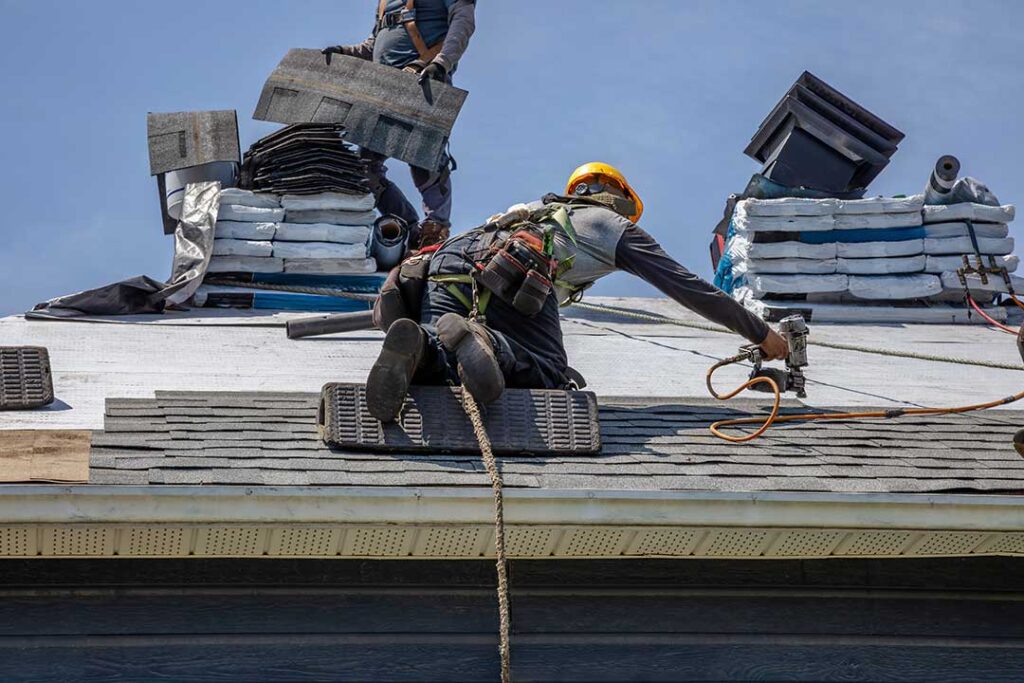
Roof aging does not look the same on every house. Asphalt shingles may lose their protective granules, metal panels may develop fastener problems, and older slate or wood roofs can show subtle changes long before they leak. In Warsaw, NY, freeze-thaw cycles, snow, wind, ice, and summer sun can speed up visible wear.
Knowing the roofing material is the first step. The age of the roof matters, but condition, installation quality, ventilation, drainage, and exposure often matter just as much.
How can homeowners tell whether a roof is aging?
An aging roof usually shows several related changes rather than one isolated flaw. Look for:
- Repeated repairs in the same area
- Curling, cracking, splitting, or missing roofing materials
- Dark or bare patches
- Sagging roof lines or uneven surfaces
- Rust, exposed fasteners, or deteriorated sealants
- Water stains in attic spaces or upper-floor ceilings
- Increasing amounts of roofing material in gutters or at the base of downspouts
- Daylight visible through roof boards in an attic
A single missing shingle after a storm does not necessarily mean the entire roof is at the end of its service life. However, widespread damage, recurring leaks, or several types of deterioration together deserve closer attention.
Roof age is also only an estimate unless installation records are available. A roof installed over an existing layer may appear newer than the underlying structure, while poor ventilation or trapped moisture can shorten the life of otherwise suitable materials.
What does aging look like on asphalt shingle roofs?
Asphalt shingles commonly show aging through surface loss and changes in shape. The most useful clues are visible from the ground or from a safely accessible location.
Older asphalt shingles may develop:
- Curled or lifted edges
- Cracks across the shingle surface
- Missing tabs or shingles
- Bald patches where protective granules have worn away
- Granules collecting in gutters
- Uneven or wavy areas
- Brittle surfaces that break during handling
Granules protect the asphalt coating from ultraviolet light and weather. Some granule loss is normal, especially after installation, but heavy accumulation in gutters or bare-looking sections can indicate advanced wear.
Dark streaks on shingles are often caused by algae rather than material failure. They can affect appearance but do not always mean the roof is leaking or structurally unsound. Moss is more concerning when it lifts shingle edges, traps moisture, or grows thickly in shaded areas.
In a snowy climate, repeated ice and water movement can expose weaknesses around valleys, eaves, chimneys, and roof penetrations. Those locations should receive extra attention after winter.
How does a metal roof show its age?
Metal roofs often remain functional after they no longer look new. Surface fading alone is not necessarily a serious problem, but corrosion, movement, and failed connections can allow water into the building.
Signs of aging may include:
- Rust around seams, edges, or fasteners
- Loose or missing screws
- Worn rubber washers beneath exposed fasteners
- Open seams or separated panels
- Dents that hold water
- Peeling or blistering finishes
- Corrosion around roof penetrations and flashing
- Water stains below panel joints
Some older metal roofs use exposed fasteners that contract and expand with seasonal temperature changes. Over time, the fasteners may loosen or their washers may harden. A roof can appear intact while small connection points begin admitting water.
Standing water is another warning sign. Metal itself may resist weather well, but persistent ponding can accelerate corrosion and damage seams or supporting materials below.
What are the aging signs on slate roofs?
Slate can last for many decades, but its condition depends on the quality of the stone, the fasteners, the supporting structure, and past repairs. Slate aging is usually identified by broken, slipped, delaminated, or missing pieces rather than surface granule loss.
Watch for:
- Cracked or broken slate pieces
- Slates that have slid out of alignment
- Flaking layers on the face of the slate
- Missing slates
- Rusted or exposed fasteners
- Deteriorated flashing around chimneys and valleys
- Sagging sections beneath the slate
A slate roof may contain individual damaged pieces while most of the roof remains serviceable. Walking directly on slate can break it and create a fall hazard, so close inspection should not involve stepping on the surface without appropriate training and equipment.
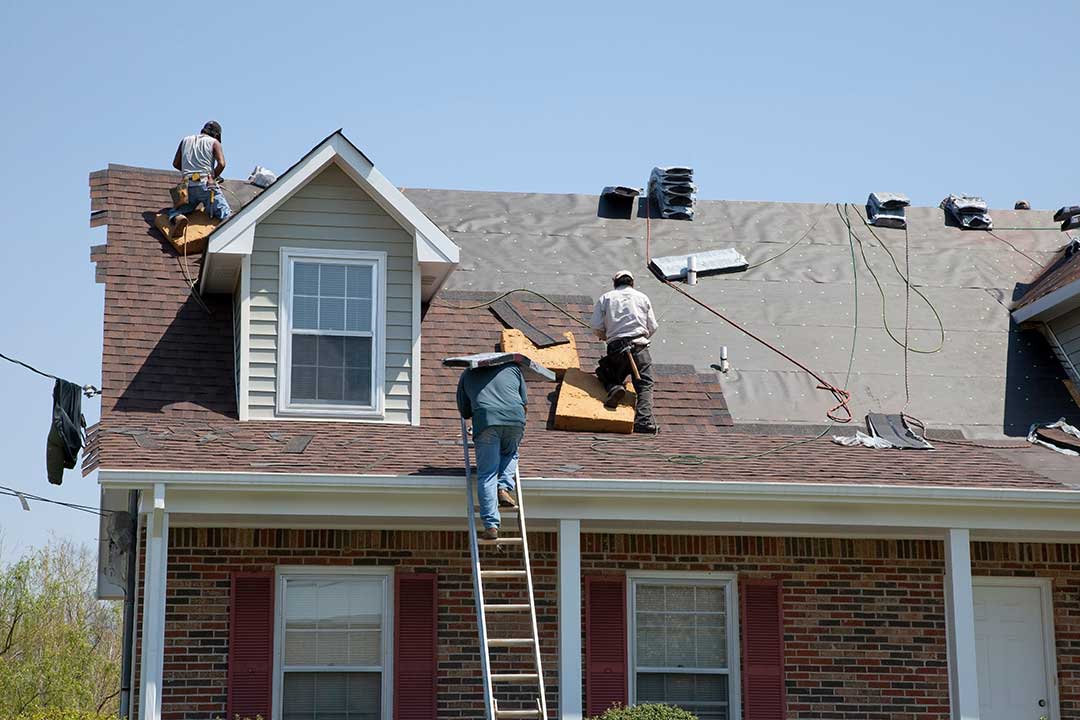
The underlying wood structure can also age even when the slate appears sound. Leaks around flashing or fasteners may cause hidden deterioration in roof decking, rafters, or attic framing.
How can wood shingles and shakes be evaluated?
Wood roofing ages through moisture absorption, drying, splitting, and biological growth. Shingles are generally sawn smooth, while shakes are thicker and often have a more textured surface, but both require careful observation.
Common warning signs include:
- Splits that run through the material
- Cupped, warped, or loose pieces
- Soft areas caused by decay
- Excessive moss, algae, or lichen
- Darkened sections that stay damp
- Missing shingles or shakes
- Gaps that allow light through the roof covering
Wood roofing needs the ability to dry after rain and snow. Leaves, nearby branches, poor airflow, and blocked drainage can keep the material wet for too long. In older neighborhoods and wooded parts of the community, shade and falling debris may contribute to faster deterioration on north-facing or heavily sheltered slopes.
Not every color change indicates failure. Weathered wood may turn gray naturally, while soft spots, deep splitting, and persistent dampness are stronger signs of trouble.
What about flat or low-slope roofs?
Flat roofs are not completely flat; they are designed with a slight slope toward drains or roof edges. Aging is often related to drainage problems, membrane damage, and failed seams.
Look for:
- Ponding water that remains after dry weather
- Open or shrinking seams
- Blisters, bubbles, or ridges
- Cracks around curbs, vents, and other penetrations
- Loose edge metal
- Damaged membrane surfaces
- Interior stains near roof drains or perimeter walls
Ponding that disappears soon after rainfall may be less concerning than water that remains for days. Repeated ponding adds weight and keeps the roofing material wet, increasing the chance of leaks and deterioration.
Snow accumulation can be especially significant on low-slope roofs. Heavy snow should not be removed casually because tools, uneven loading, and walking can damage the membrane or create personal safety risks.
Which roof areas age fastest?
Roof aging is rarely uniform. South- and west-facing slopes may receive more sunlight, while shaded slopes may retain moisture and support moss. Valleys, eaves, ridges, chimneys, skylights, vent openings, and plumbing penetrations are more vulnerable because water movement and flashing details are concentrated there.
Gutters and downspouts also affect roof life. Clogged drainage can cause water to back up beneath roofing materials, while poorly directed runoff can saturate walls, foundations, or lower roof edges.
After major wind or snow events, a ground-level inspection can reveal missing materials, displaced flashing, or debris. Roof surfaces, steep slopes, and areas near electrical lines should not be climbed without suitable safety equipment.
When does normal aging become a safety or repair concern?
Normal weathering becomes more urgent when it affects water resistance, structural stability, or safe access. Prompt attention is warranted for active leaks, sagging, large areas of missing material, exposed roof decking, widespread decay, or electrical hazards.
Interior evidence can be as useful as exterior evidence. Check attic insulation, roof framing, and the underside of the roof deck for dampness, staining, mold-like growth, or daylight. A leak may appear indoors several feet away from the actual entry point because water follows framing or insulation.
The most reliable assessment considers the roof type, approximate age, visible condition, attic ventilation, drainage, past repairs, and local exposure to snow, wind, shade, and sun. A roof does not need to look perfect to remain serviceable, but small problems become more consequential when they are repeated across many areas.
