
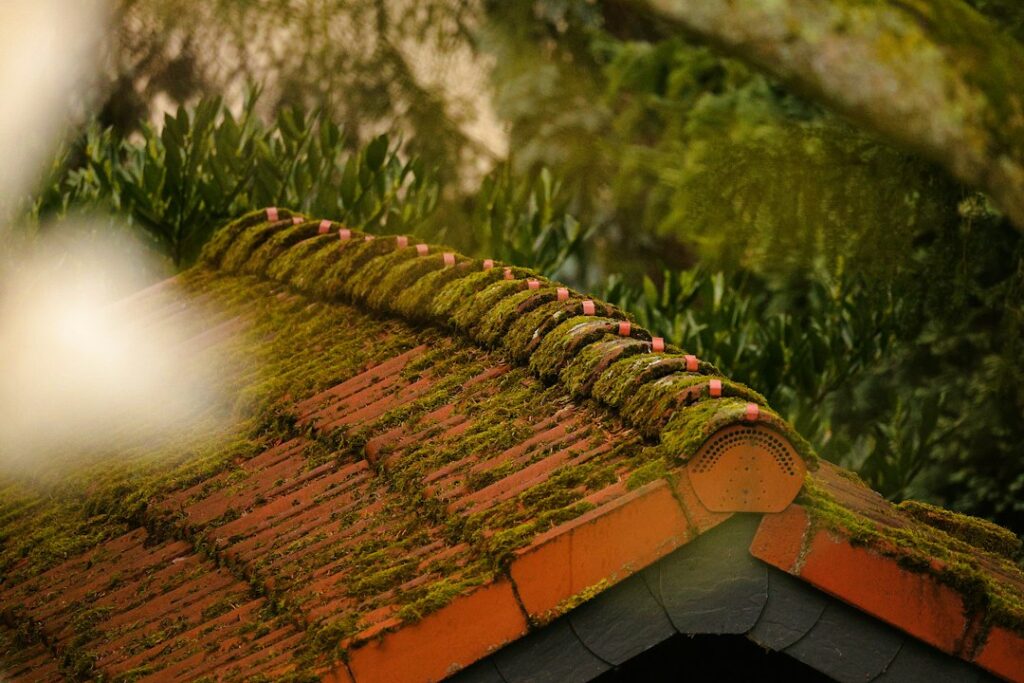
A clean roof is not just a matter of appearance. Removing leaves, branches, moss, and algae can help homeowners spot damaged shingles, blocked drainage, and moisture problems before they become more serious. The work must be approached carefully, however, because roofs are steep, surfaces become slippery when wet, and common cleaning methods can shorten the life of roofing materials.
Is roof cleaning necessary?
Yes, but not every roof needs frequent washing. Light surface discoloration may be harmless, while thick moss, heavy leaf buildup, or blocked valleys can trap moisture and interfere with drainage.
In Warsaw, NY, roofs experience freeze-thaw cycles, snow, rain, wind, and periods of shade that can keep roofing materials damp. Those conditions may encourage moss or algae growth, especially beneath trees or on roof sections that receive limited sunlight.
Cleaning may be worthwhile when a roof has:
- Thick moss extending beneath shingle edges
- Leaves and twigs packed into valleys or around roof penetrations
- Dark streaks or patches spreading across the surface
- Water backing up near gutters or roof edges
- Branches resting on shingles
- Debris that remains wet for long periods
Dark streaks are often caused by algae and do not necessarily mean the shingles are failing. Moss is more concerning because its roots and growth pattern can lift or loosen shingle edges.
What should be checked before cleaning?
Inspect the roof from the ground first. Look for missing, cracked, curled, or visibly loose shingles. Check whether gutters are overflowing, whether tree limbs touch the roof, and whether moss is concentrated in one area or spread across several slopes.
Do not climb onto a roof that is wet, icy, snow-covered, unusually steep, or visibly damaged. A ladder should not be used as a substitute for safe roof access. Falls can happen even on low-slope roofs, and wet algae or moss can make shingles extremely slick.
Cleaning should also be postponed during high winds, rain, freezing conditions, or extreme heat. A mild, dry day with stable footing is safer and allows cleaning solutions to work as intended.
Can leaves and small debris be removed safely?
Small amounts of loose debris can sometimes be removed from the ground with a roof rake designed for the task. Use a model with a soft or non-abrasive head, and pull debris downward rather than pushing it uphill. Avoid scraping shingles, forcing the rake beneath shingle edges, or standing directly below falling material.
For debris within reach from a properly positioned ladder, use a soft broom or gloved hand. Never drag heavy branches across the roof. Lift them carefully, and watch for exposed nails or broken wood.
If debris is packed into a valley, wedged around a chimney, or resting near power lines, the risk is higher. Those areas may require specialized equipment and fall protection rather than an improvised cleaning method.
How should moss be removed?
Moss should not be pressure-washed, scraped aggressively, or pulled upward. Those actions can remove protective granules and tear shingles away from their fasteners.
A safer approach is to:
1. Remove loose moss gently with a soft brush or hand tool.
2. Work downward toward the eaves instead of lifting shingle edges.
3. Apply a roof-safe moss treatment according to the product label.
4. Allow weather and time to loosen remaining growth.
5. Remove dead material gently during a later cleaning.
Moss may return if the roof remains shaded and damp. Trimming branches can improve sunlight and airflow, but tree work also creates safety hazards. Branches should never be cut from a roof or near electrical lines without suitable training and equipment.
Do not use metal tools, stiff wire brushes, or household scrapers. They can damage the surface even when the shingles appear intact.
What removes algae stains without damaging shingles?
Algae stains are commonly treated with a low-pressure cleaning solution approved for the specific roofing material. Asphalt shingles generally require a gentle approach, while metal, tile, and other roof types may have different care requirements.

A cleaning solution should be tested on a small, inconspicuous area first. Follow the label for dilution, dwell time, protective equipment, ventilation, and nearby plants. Use a low-pressure rinse that carries loosened material toward the gutters without blasting water beneath the shingles.
Protect vegetation with water before and after treatment. Keep runoff away from ponds, vegetable gardens, and surfaces that could be damaged by the solution. Never mix bleach with ammonia, acids, or other cleaners. Dangerous fumes can result.
A roof may look only partly improved immediately after treatment. Algae often fades gradually as the treatment continues working and weather removes the remaining discoloration.
Why is pressure washing usually a bad idea?
Pressure washing can force water beneath shingles, strip away granules, expose the fiberglass mat, and loosen flashing. It may also drive water into attic ventilation openings or wall connections.
The visible result can be misleading. A roof may look clean after pressure washing while its protective surface has been weakened. Damage may not become obvious until the next period of heavy rain, snow, or freezing weather.
If rinsing is necessary, low pressure and a wide spray pattern are much safer than a concentrated jet. The spray should move in the same general direction as roof drainage and should never be aimed upward beneath overlapping materials.
How can gutters and downspouts be included safely?
Roof cleaning is incomplete if gutters remain blocked. Leaves and moss washed from the roof can collect in gutters and downspouts, causing overflow against fascia boards, siding, foundations, or lower roof edges.
Clean gutters from a secure ladder position, keeping the body centered between the ladder rails. Use gloves, a small scoop, and a bucket or bag rather than tossing debris onto the ground. Flush downspouts with a gentle stream of water and confirm that water exits freely.
In areas with regular snowfall, inspect gutters and downspouts before winter. Ice buildup can add weight and create drainage problems, but ice should not be chipped aggressively from shingles or metal edges.
When should roof cleaning be left to trained workers?
Some roof-cleaning situations are not appropriate for a do-it-yourself project. Extra caution is needed when the roof is steep, more than one story high, fragile, heavily moss-covered, damaged, or difficult to access.
Professional assistance is also justified when cleaning requires work near electrical lines, chimney structures, skylights, fragile roofing, or large trees. A qualified roofing or exterior-maintenance worker should use fall protection, proper ladder setup, and cleaning methods suited to the roof material.
Homeowners should avoid walking on shingles that are brittle, curling, or covered with loose granules. Walking can worsen existing damage and may void certain roofing warranties.
How often should a roof be cleaned?
There is no universal schedule. A roof surrounded by mature trees or shaded by nearby structures may need inspection more often than a roof with full sun and little debris.
A practical routine is to inspect the roof from the ground in spring and fall, after major storms, and before the heavy-snow season. Look for new moss, clogged valleys, damaged flashing, missing shingles, and gutter overflow marks.
The goal is not to make the roof look new. The goal is to keep drainage clear, limit moisture retention, protect the roofing surface, and identify damage before it spreads.
