
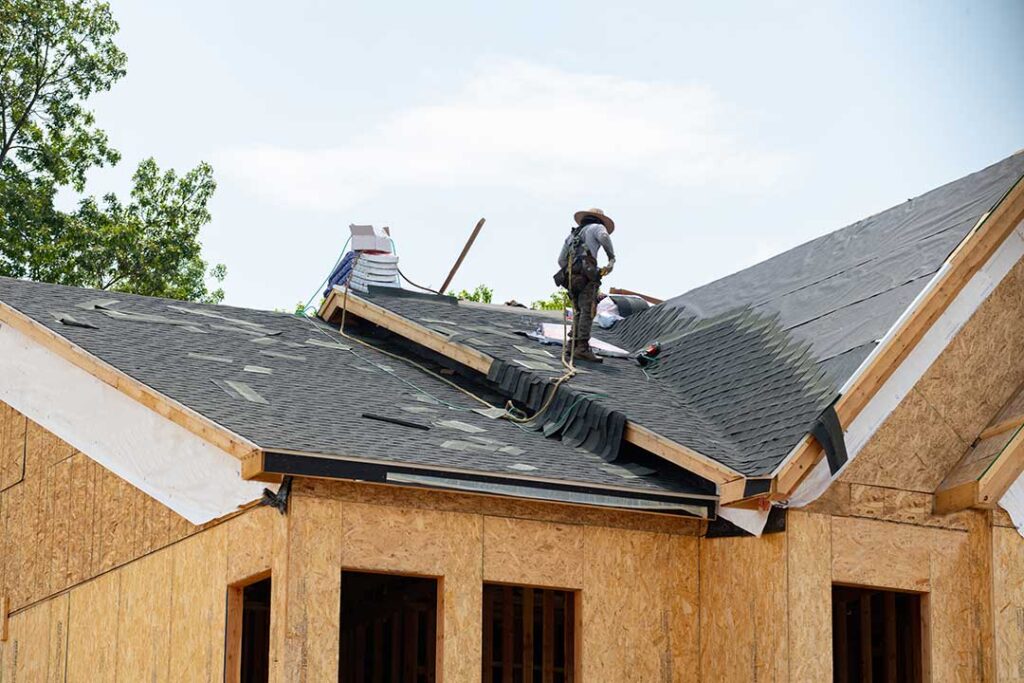
How Should Roof Repairs Be Approached During Times of Crisis?
During large-scale emergencies, such as the COVID-19 pandemic or other widespread events that disrupt normal routines, handling home repairs—including roofing—requires some adjustments. For residents in Warsaw, NY, understanding how to balance essential roof repairs with safety guidelines helps maintain both home integrity and personal health.
If a crisis is ongoing (from a viral outbreak to major storms or power disruptions), assess whether your roof issue is urgent. Immediate leaks, major storm damage, or significant structural risks demand faster action than minor cosmetic issues. Applying temporary fixes when possible allows critical time to ensure safe, informed decisions.
What Are the First Steps to Take if You Notice Roof Problems During a Crisis?
Begin by determining how severe the damage is and whether it poses risks to your household. Urgent situations include:
- Active leaks threatening electrical systems or living spaces
- Large sections of missing or damaged shingles after severe wind
- Structural issues causing sagging, visible holes, or widespread moisture inside the attic
For less severe cases—such as a few loose shingles or debris—consider delaying permanent repairs. Temporary solutions include using waterproof tarps, placing buckets under leaks, or securing loose materials only when safe to do so.
Documentation is important. Take clear photos of any damage, especially if circumstances might delay service. This record will help track changes, explain needs to insurers, and prioritize future repairs.
Can Roof Repairs Be Done Safely Without Outside Help?
Some minor tasks are feasible for property owners, provided no one is placed at risk. In Warsaw’s climate, with frequent rain, snow, and seasonal winds, only attempt temporary covers or small patching work when weather and personal safety allow.
Simple DIY tasks might include:
- Covering a damaged spot with a securely fastened waterproof tarp
- Safely removing small debris with a pole or broom from the ground
- Applying roof-safe sealant to minor gaps found at flashing or vents (if accessible without climbing)
Avoid any jobs that require walking on a steep, icy, or damaged roof. Many injuries result from falls, particularly during stress or distraction in crisis scenarios.
What Local Factors Should Warsaw Residents Consider?
Warsaw’s weather patterns often mean roof problems coincide with adverse conditions. Snow loads, rapid freeze-thaw cycles, and spring thunderstorms make temporary patching especially important. While hardware stores and repair resources may face shortages or restricted hours during city-wide emergencies, planning ahead by having basic emergency supplies on hand—like tarps, duct tape, and patch kits—can ease short-term challenges.
Area homes range from historic farmhouses to modern ranches, each with unique roof types. Older homes often require careful handling to avoid worsening delicate materials. Residents should avoid prying or scraping at ice dams, as this may damage shingles or introduce water to wall cavities.
How Can Health and Safety Guidelines Be Respected During a Pandemic or Community Emergency?
When physical distancing or health precautions are in place, limit interactions to those absolutely necessary. If outside help is essential, consider these steps to protect everyone:
- Communicate with repair workers remotely or from a safe distance
- Avoid physical contact, including shared tools or paperwork
- Ask service providers about their protocols for notifications, work zones, and on-site precautions if a visit is unavoidable
- Restrict access to only necessary areas, minimizing entry into the home
During periods when official guidance discourages in-person service, non-essential roof work should be rescheduled where possible. Prioritize any task that affects ventilation, insulation, or significant water intrusion, and use interim measures until conditions allow for a full repair.
What If Repairs Must Be Delayed?
Waiting for expert intervention is sometimes the safest solution, especially during broad disruptions. Minimize water entry by:
- Monitoring ceilings, attics, and exterior walls for changes
- Promptly drying out damp areas to reduce mold growth
- Regularly updating records of increasing damage for future claims
Overlooked risks include hidden moisture, which may not cause an immediate leak but can produce mold or weaken support structures. If uncertain about developing issues, check attic spaces with a flashlight and document any unusual odors or stains for later review.
Who to Contact for Emergency Support or Guidance?
In rare cases of major structural risk (like a partial collapse or electrical fire risk), residents in Warsaw should contact local emergency management or housing authorities—not for routine repairs, but if the home becomes unsafe. For instance, during dangerous windstorm aftermath or a severe roof cave-in, local emergency services may offer guidance or temporary shelter resources.
For non-urgent assistance—such as insurance policy questions or advisories on temporary fixes—local town offices and housing programs may provide updates during regional emergencies. Keep copies of official recommendations for both short- and long-term planning.
