
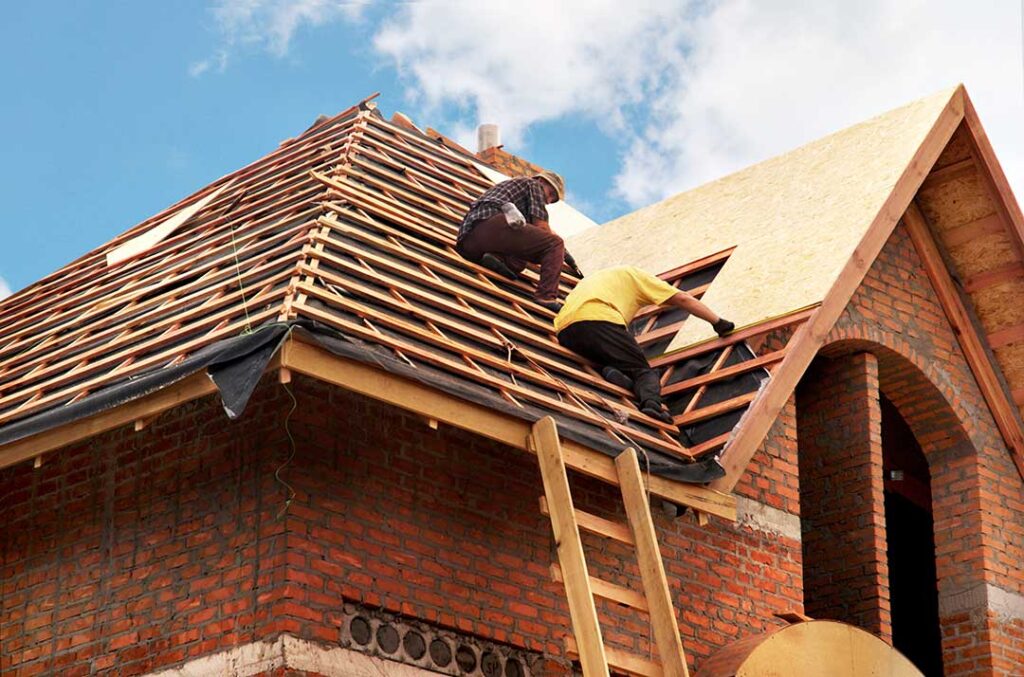
A roof does more than keep rain and snow out. Its condition can affect moisture levels, ventilation, insulation performance, and the amount of outdoor debris that enters the living space. In Warsaw, NY, where homes experience humid summers, freezing winters, snow, wind, and frequent temperature changes, roof-related moisture problems can contribute to indoor conditions that aggravate allergies.
Installing a new roof does not remove every indoor allergen. Dust mites, pet dander, pollen, and mold can come from many sources inside and outside a home. However, a properly installed roofing system can reduce several conditions that allow allergens—especially mold spores and moisture-related particles—to accumulate.
How can a new roof reduce indoor allergens?
A new roof can help reduce indoor allergens by limiting water intrusion, improving ventilation, and supporting more consistent indoor humidity. These benefits are most meaningful when the roof replacement includes sound flashing, underlayment, insulation coordination, and proper attic airflow.
A roof may contribute to indoor air quality when it has:
- Leaks around vents, chimneys, skylights, or roof edges
- Damaged or missing shingles
- Deteriorated underlayment
- Poorly sealed roof penetrations
- Blocked soffit or ridge vents
- Wet attic insulation
- Condensation caused by inadequate ventilation
Even a small leak can wet wood framing or insulation without producing an obvious ceiling stain. Over time, damp materials may support mold growth. Spores can then move from the attic into living areas through gaps around light fixtures, wiring, ductwork, attic hatches, and plumbing penetrations.
A new roofing system can address the exterior source of moisture, but the attic and interior areas still need to be checked for existing damp materials.
Does a new roof eliminate mold?
No. A new roof can prevent future roof leaks, but it does not automatically remove mold that developed before the replacement.
Mold needs moisture, a food source, and suitable temperatures. Roofing leaks may supply the moisture, while wood, paper-faced insulation, dust, and other building materials provide organic material for growth. If those materials remain wet or contaminated, replacing shingles alone may not solve the indoor air quality concern.
Before or during roof work, it may be useful to look for:
- Dark staining on roof sheathing or rafters
- Musty odors in the attic
- Compressed, discolored, or damp insulation
- Peeling paint or ceiling stains
- Soft wood near roof penetrations
- Visible growth around attic ventilation openings
Mold cleanup should be handled according to the extent of the problem and the materials involved. Porous materials with substantial contamination may need removal, while minor surface growth may require careful cleaning and moisture correction. The central issue is always stopping the water source and drying affected materials.
How does attic ventilation affect allergens?
Proper attic ventilation helps control heat and moisture, which can reduce the conditions that encourage mold and mildew. It also helps protect insulation and roof sheathing from condensation.
A balanced ventilation system generally allows air to enter through lower intake areas, such as soffit vents, and leave through higher exhaust areas, such as ridge or other approved roof vents. The exact arrangement depends on the roof design.
Ventilation problems can occur when:
- Exhaust vents are installed without enough intake airflow
- Insulation blocks soffit vents
- Bathroom fans discharge into the attic instead of outdoors
- Recessed lights or attic hatches are not properly air-sealed
- Existing vents are damaged or obstructed
- Snow or debris restricts airflow
Ventilation is not the same as allowing outside air to leak freely into the home. Attic ventilation should work with air sealing and insulation. The goal is to move moisture out of the attic while limiting uncontrolled air movement between the attic and living areas.
Can roof leaks make seasonal allergies worse?
Roof leaks do not directly create pollen allergies, but they may worsen indoor conditions during allergy season. Moisture can support mold growth, and mold spores may irritate the nose, throat, eyes, and lungs. People with asthma or mold sensitivity can be especially affected.
Seasonal pollen may also enter through attic vents or gaps in the building envelope, although replacing a roof is not a complete pollen-control strategy. Windows, doors, heating and cooling systems, clothing, pets, and outdoor activities are often more significant pathways.
A roof replacement may help indirectly by reducing openings, repairing deteriorated areas, and improving the separation between the attic and occupied rooms. The effect depends on the condition of the entire building envelope, not just the roof covering.
What roofing details matter most for indoor air quality?
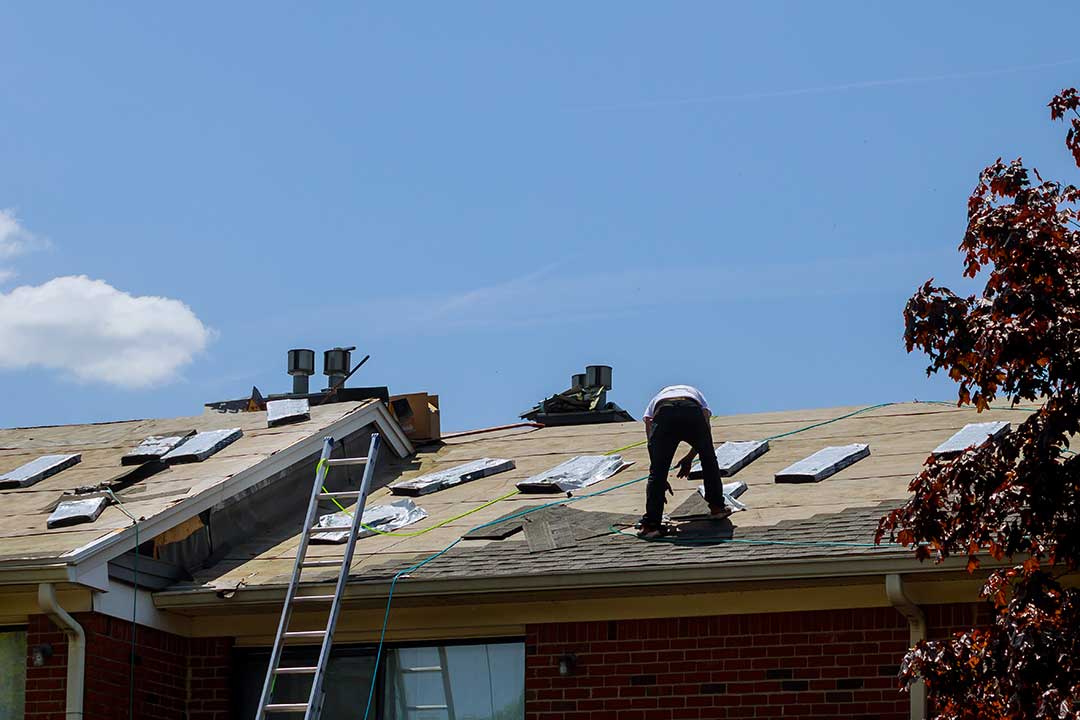
The visible shingles are only one part of a roofing system. Moisture control depends on several layers working together.
Important details include:
Flashing around roof penetrations
Flashing directs water away from chimneys, plumbing vents, wall intersections, skylights, and roof valleys. Poorly installed or deteriorated flashing is a common source of hidden leaks.
Underlayment
Underlayment provides an additional water-resistant layer beneath the shingles. It is especially valuable in areas that may experience wind-driven rain, ice, and snow-related moisture.
Ice-dam resistance
In cold climates, uneven attic temperatures can contribute to ice formation along roof edges. Meltwater may back up beneath shingles and enter the roof assembly. Adequate insulation, air sealing, ventilation, and appropriate edge protection work together to reduce this risk.
Attic air sealing
Air sealing limits the movement of warm, moisture-laden indoor air into the attic. Common leakage points include attic hatches, plumbing penetrations, electrical openings, and duct connections.
Insulation condition
Wet or moldy insulation can hold moisture and reduce energy performance. A roof replacement is an opportunity to identify insulation problems, although insulation replacement is a separate decision from replacing the roof covering.
What should homeowners check after a roof replacement?
After roof work, the attic should remain dry, well ventilated, and free of new staining or musty odors. During the first several months, watch for changes after heavy rain, snow, and major temperature swings.
Useful checks include:
- Looking for damp areas after precipitation
- Inspecting the underside of the roof sheathing
- Confirming that bathroom exhaust fans vent outdoors
- Checking that attic access is sealed
- Watching for condensation on roof nails or metal surfaces
- Looking for blocked insulation near soffit vents
- Replacing visibly damaged or contaminated porous materials when necessary
Indoor humidity also matters. Excess humidity from cooking, bathing, drying clothes, or basement moisture can create mold-friendly conditions even when the roof is watertight. A roof replacement cannot correct every source of indoor moisture.
When is a roof-related allergy concern more urgent?
Persistent musty odors, visible mold, repeated leaks, wet insulation, or respiratory symptoms that improve away from the home deserve prompt attention. Safety concerns are greater when water has reached electrical components, ceilings are sagging, or extensive mold is present.
Roofing work at height also involves fall hazards, especially during snow, ice, rain, or strong wind. Inspection and repairs should not be attempted from a roof when conditions are unsafe. Local building requirements may also apply when structural components, ventilation, or insulation are changed.
A new roof can support healthier indoor conditions by keeping the attic and wall assemblies dry, reducing opportunities for mold growth, and improving the overall building envelope. The greatest benefit comes when roof replacement is treated as part of a complete moisture-control plan that includes attic ventilation, air sealing, insulation, drainage, and regular inspection.
