
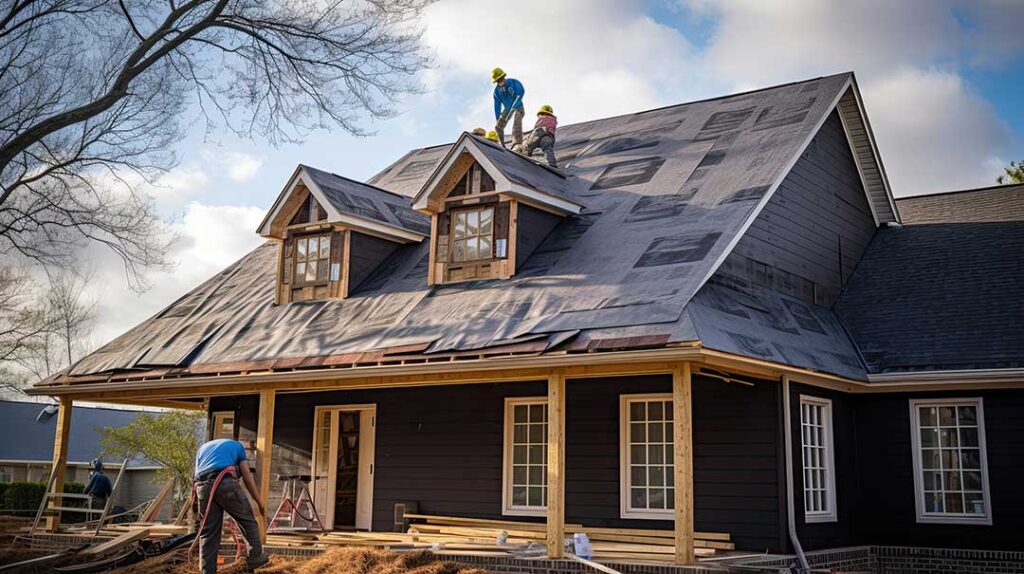
A roof is both a major part of a home’s structure and one of the areas most likely to be examined after a storm. For homeowners in Warsaw, NY, understanding the difference between sudden, covered damage and ordinary wear can make the insurance process less confusing.
A policy does not automatically pay for every roof problem. Coverage depends on the cause of damage, the wording of the policy, the roof’s condition, the deductible, and whether the homeowner took reasonable steps to maintain the property.
Does homeowners insurance cover roof damage?
Usually, homeowners insurance may cover sudden roof damage caused by a covered event, such as wind, hail, falling trees, or the weight of snow and ice. It generally does not cover gradual deterioration, poor maintenance, or a roof that has simply reached the end of its useful life. ([dfs.ny.gov](https://www.dfs.ny.gov/reports_and_publications/press_releases/pr1412091?utm_source=openai))
Examples of potentially covered situations include:
- Wind lifting or removing shingles
- Hail damaging roofing materials
- A tree or large branch striking the roof
- A roof collapse caused by the weight of snow or ice, subject to policy terms
- Wind-driven rain entering through an opening created by the storm
A leaking roof is not automatically evidence of storm damage. An insurer may determine that the leak resulted from age, worn flashing, long-term moisture exposure, or deferred maintenance instead.
In the region, freeze-thaw cycles, heavy snow, ice buildup, and strong seasonal winds can all place stress on roofing materials. Those conditions do not change the policy’s basic rules, but they can make it especially useful to document the roof’s condition before severe weather occurs.
What is the difference between sudden damage and wear?
The central insurance distinction is often whether the problem happened suddenly or developed over time.
A missing section of shingles after a documented windstorm may be treated differently from shingles that have become brittle and lost their protective surface over many years. Similarly, a ceiling stain that appears after a storm may have resulted from a new opening—or from an older leak that was not repaired.
Homeowners insurance is generally not a maintenance contract. The National Association of Insurance Commissioners explains that property owners remain responsible for routine upkeep, including repairing a roof when it begins to leak. ([content.naic.org](https://content.naic.org/sites/default/files/publication-hoi-pp-consumer-homeowners.pdf?utm_source=openai))
Warning signs of ordinary deterioration can include:
- Curling, cracked, or missing shingles before a storm
- Widespread granule loss
- Soft or rotted roof decking
- Rusted or deteriorated flashing
- Repeated leaks in the same area
- Moss or organic growth associated with prolonged dampness
- A roof that was already near the end of its expected service life
A storm can still cause additional covered damage to an older roof. However, the insurer may separate pre-existing deterioration from the new loss.
Why does the roof’s age matter?
Roof age can affect both coverage and policy eligibility. Some insurers may limit payment for older roofs to actual cash value rather than replacement cost. Actual cash value generally reflects the roof’s value after depreciation, while replacement-cost coverage is intended to pay the cost of replacing covered damage, subject to the policy and deductible. ([dfs.ny.gov](https://www.dfs.ny.gov/reports-and-publications/press-releases/st2025-02-11-full-doc?utm_source=openai))
For example, if a 20-year-old roof is damaged by wind, the policy may not treat it the same way as a newer roof. The exact result depends on the policy language, the roofing material, the roof’s condition, and the insurer’s claim determination.
Homeowners should review:
- The roof’s age listed in the policy or inspection records
- Whether roof losses are settled at replacement cost or actual cash value
- Any exclusions for specific roofing materials
- Whether cosmetic damage is excluded
- Whether a separate wind or hail deductible applies
An inaccurate roof age on an application or renewal document should be corrected. Keeping invoices, permits where applicable, inspection records, and photographs can help establish when work was completed and what materials were used.
What should a homeowner do after a storm?
The first priority is safety. Do not climb onto a steep, wet, icy, or visibly unstable roof. From the ground, look for missing shingles, displaced metal, damaged vents, fallen branches, sagging areas, and water entering the attic or living space.
Reasonable immediate steps may include:
- Photographing visible damage from safe locations
- Moving furniture or belongings away from active leaks
- Placing containers under interior drips
- Covering exposed areas temporarily only if it can be done safely
- Saving receipts for emergency measures
- Reporting the loss to the insurer promptly
- Keeping damaged materials until the insurer gives instructions, when practical
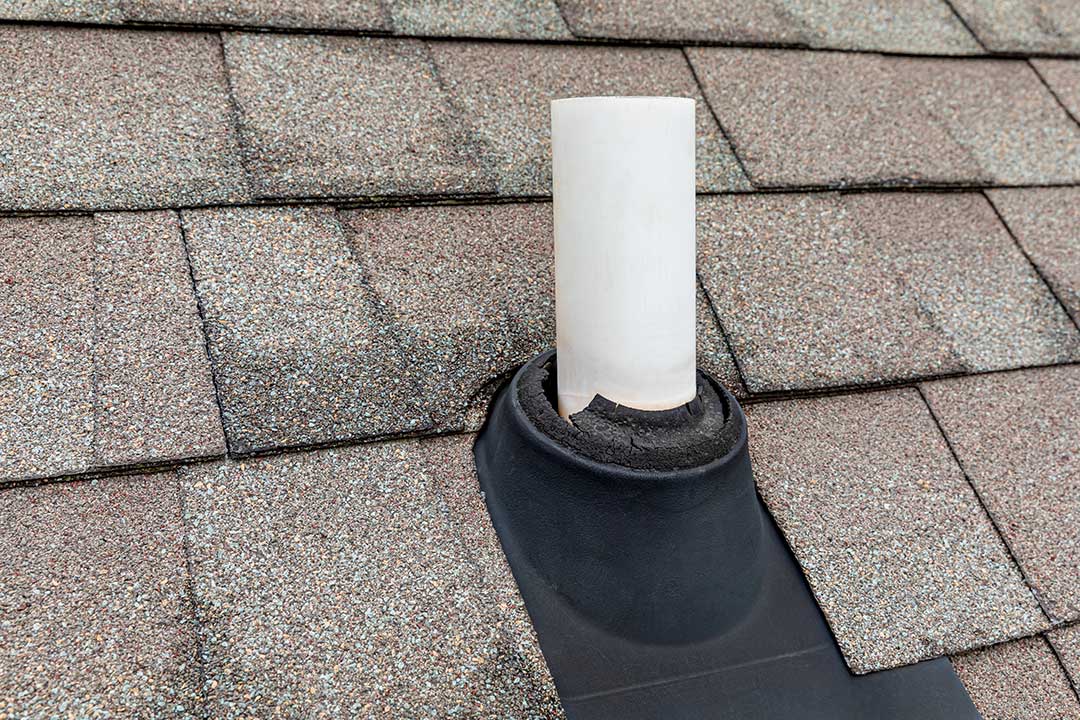
Do not make permanent repairs before the insurer has had a reasonable opportunity to inspect unless emergency conditions require action. Temporary protection is different from completing a full replacement.
A useful record includes the date of the storm, the time damage was noticed, photographs from before and after the event, weather information, repair receipts, and written communications with the insurer.
How do deductibles affect a roof claim?
The deductible is the amount the homeowner pays before insurance contributes to a covered loss. A standard deductible may apply to many claims, while a policy may also contain a separate windstorm deductible.
In New York, windstorm deductibles commonly range from 1% to 5% of the dwelling’s insured value or another amount specified by the policy. Some policies apply a wind deductible when wind causes damage, even if the event was not a hurricane. ([dfs.ny.gov](https://www.dfs.ny.gov/consumers/help_for_homeowners/insurance/basic_coverage?utm_source=openai))
For example, if a home has a $250,000 dwelling limit and a 2% wind deductible, the deductible could be $5,000. That amount is different from a $1,000 standard deductible.
Before filing a claim, it is reasonable to understand which deductible applies and compare it with the estimated covered damage. A homeowner should not avoid reporting a potentially serious loss solely because the initial visible damage appears limited, particularly if water may have entered hidden areas.
Are interior leaks, flooding, and ice dams covered?
Interior water damage may be covered when it results from a covered roof opening, but the roof repair and interior repairs may be evaluated separately. The policy may cover resulting damage while excluding the worn or defective condition that allowed the problem to develop.
Flood damage is generally excluded from standard homeowners policies. Flooding can include surface water entering the home, including water associated with runoff or melting snow. Separate flood coverage may be needed, and water-backup coverage may require a specific endorsement. ([dfs.ny.gov](https://www.dfs.ny.gov/reports_and_publications/press_releases/pr1412091?utm_source=openai))
Ice dams require careful policy review. If an ice dam causes water to back up beneath roofing materials, the resulting interior damage may be treated differently from damage caused by poor ventilation, long-term deterioration, or failure to maintain the roof. Coverage varies significantly by policy wording.
What documents should homeowners keep?
Good records are useful before a loss occurs, not only afterward. A simple roof file can include:
- The approximate installation date
- Contractor invoices and warranty documents
- Photographs showing the roof’s pre-storm condition
- Records of repairs or maintenance
- Inspection reports
- The current declarations page
- Notes about deductibles and coverage limits
The declarations page summarizes important information such as the policy period, dwelling limit, deductible, mortgage company, and endorsements. The New York State Department of Financial Services recommends reviewing it periodically and checking that coverage reflects the home’s current condition and value. ([dfs.ny.gov](https://www.dfs.ny.gov/consumers/help_for_homeowners/insurance/basic_coverage?utm_source=openai))
Roof improvements may also affect eligibility for insurance discounts. Depending on the insurer and the materials used, features such as high-wind-rated coverings, hail-resistant roofing, roof-deck attachments, and secondary water resistance may qualify for savings. The insurer should confirm requirements before a homeowner assumes an improvement will change the premium. ([dfs.ny.gov](https://www.dfs.ny.gov/consumer-insurance-discounts-savings?utm_source=openai))
The most reliable approach is to read the actual policy, document roof conditions throughout the year, and distinguish storm damage from aging and maintenance issues. That preparation is particularly useful in a community where winter weather and seasonal storms can expose small roof weaknesses before they become larger interior problems.
