
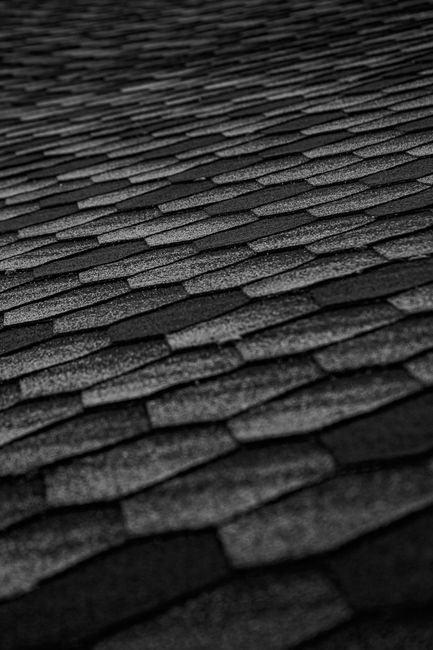
What does a roof inspection involve?
A roof inspection is a systematic check of the roof’s visible surfaces, drainage components, flashing, attic space, and signs of water entry. It is different from a quick glance from the yard because many problems begin in areas that are difficult to see from the ground.
For homeowners in Warsaw, NY, inspections are especially useful because roofs experience repeated cycles of snow, ice, freezing temperatures, wind, rain, and summer heat. These conditions can loosen materials, open small gaps, and accelerate wear even when the roof still looks acceptable from below.
A thorough inspection generally considers:
- Shingles or other roof coverings
- Ridge caps, valleys, and roof edges
- Flashing around chimneys, vents, skylights, and wall intersections
- Gutters, downspouts, and drainage paths
- Vents and other roof penetrations
- Attic insulation, ventilation, and visible moisture
- Interior ceilings and upper-floor walls
The purpose is not simply to find damage. It is to understand the roof’s condition, identify developing problems, and determine whether maintenance, repair, monitoring, or replacement may be appropriate.
How often should a homeowner inspect a roof?
Most homeowners should look over the roof from the ground at least twice a year and after major weather events. A more detailed inspection is sensible in spring, after winter conditions have passed, and in fall before leaves, snow, and ice create additional drainage challenges.
An inspection may be needed sooner after:
- Strong wind or heavy rain
- Repeated freeze-thaw cycles
- Significant snow or ice accumulation
- A fallen branch or nearby tree damage
- Water stains on ceilings or walls
- Missing or displaced roofing materials
- Gutter overflow or unexplained dampness near exterior walls
A roof’s age also matters. Older roofing systems may deserve more frequent observation because small defects can develop into leaks more quickly. However, age alone does not prove that a roof needs replacement. Installation quality, ventilation, material type, maintenance, and weather exposure all affect service life.
What can homeowners safely check from the ground?
A ground-level review can reveal many warning signs without requiring a ladder. Use binoculars if needed, and inspect the roof from several sides of the property.
Look for:
- Shingles that are missing, cracked, curled, blistered, or lifted
- Dark areas that may indicate moisture or uneven wear
- Bare patches where protective granules have worn away
- Sagging lines along the roof plane or ridge
- Exposed underlayment or roof decking
- Damaged soffits, fascia, or trim
- Gutters pulling away from the roof edge
- Granules collecting in gutters or near downspouts
- Rusted, loose, or visibly damaged flashing
- Moss or algae growth that is holding moisture against the surface
Not every dark stain or granule is an emergency. Some discoloration is cosmetic, while other patterns indicate trapped moisture or material deterioration. The location, size, and change over time provide useful context.
A roof should never be walked on casually. Slopes can be slippery, surfaces may be fragile, and hidden damage can make footing unreliable. Walking on a roof can also cause damage that was not present before the inspection.
What should be checked in the attic?
The attic often provides the clearest evidence of a roof problem. Inspect during daylight when possible, but do not touch wet insulation, electrical components, or areas affected by mold or structural damage.
Signs to look for include:
- Damp insulation or compressed areas
- Water stains on rafters, trusses, or roof decking
- Dark streaks, fungal growth, or musty odors
- Rust around nails or metal fasteners
- Daylight visible through the roof deck, except at designed openings
- Condensation on the underside of the roof
- Blocked or inadequate ventilation paths
- Sagging or discolored wood
A water stain does not always appear directly below the entry point. Water can travel along roof decking, framing, insulation, or interior finishes before becoming visible. For that reason, a ceiling stain may relate to a roof penetration, flashing problem, ventilation issue, plumbing component, or ice-related backup.
Condensation is another commonly misunderstood issue. Moist indoor air can enter a cold attic and condense on roof components, especially if insulation, air sealing, or ventilation is inadequate. Not every attic moisture problem is caused by a roof leak.
Which roof areas commonly fail first?
Roof penetrations and transition points often require the closest attention. Flat or gently sloped sections, valleys, eaves, and areas where different materials meet can also experience more stress.
Common trouble spots include:
Flashing
Flashing directs water away from joints and penetrations. It may loosen, corrode, crack, or separate from surrounding materials. Flashing around chimneys, vent pipes, skylights, dormers, and wall intersections deserves careful observation.
Valleys
Valleys collect water and, during winter, may collect snow and ice. Damaged or improperly covered valley areas can allow water beneath the roof covering.
Eaves and gutters
Ice buildup near the roof edge can interfere with drainage and force water beneath shingles. Gutters that are blocked, sagging, or disconnected may also send water toward siding, foundations, and entryways.
Roof edges
Wind can begin lifting roofing materials at edges, ridges, and corners. Once a small section becomes loose, later storms may enlarge the damaged area.
What does a roof inspection report usually include?
A useful inspection record identifies the location and condition of observed components rather than simply labeling the roof “good” or “bad.” It may include photographs, notes about active or possible leaks, and recommendations for monitoring or correction.
Homeowners should look for clear answers to questions such as:
- Is there active water entry?
- Are any areas unsafe to access?
- Which defects require prompt attention?
- Which conditions are minor or cosmetic?
- Is the roof generally serviceable?
- Are attic ventilation or insulation conditions contributing to moisture?
- Are gutters and drainage functioning properly?
- What changes should be watched over time?
A second opinion may be reasonable when an inspection produces a recommendation for major work but does not explain the specific evidence. Written details and photographs make it easier to compare observations without relying on vague descriptions.
What should happen after a roof inspection?
The next step depends on the severity and location of the findings. Minor issues may require maintenance or periodic observation. Active leaks, exposed decking, major structural sagging, or widespread material failure deserve prompt attention because water damage can spread beyond the original defect.
Temporary measures may reduce immediate water entry, but they are not always a permanent solution. A tarp, sealant, or patch can also conceal the underlying problem if used without understanding where water is entering.
Keep inspection records with dates and photographs. Comparing the same roof areas over time helps distinguish stable aging from rapidly changing damage. Records are also useful after severe weather, during property ownership changes, or when evaluating whether a repair addressed the original concern.
For households in Warsaw, regular inspection is best viewed as seasonal home maintenance rather than an emergency-only task. A careful ground review, occasional attic check, and prompt response to visible changes can identify problems before they affect insulation, ceilings, framing, or indoor air quality.
