
What Are Roof Fire Ratings and Why Do They Matter?
Roof fire ratings are a classification system that measures how well different roofing materials resist fire exposure. This can make a major difference in the safety of a home—especially during a fire that starts outside, such as from nearby brush, a stray spark, or a neighboring building. For Warsaw, NY residents, where homes may sit near wooded areas or open land and harsh winter weather can put added strain on building materials, understanding these ratings is crucial for both peace of mind and compliance with local insurance and building code policies.
Fire-resistant roofing can help delay the spread of flames, maximize evacuation time, and minimize property damage. While major wildfire threats are less common in this area, the risk of chimney fires, lightning strikes, and embers from outdoor burning still make fire safety a local concern.
How Are Roofs Tested and Rated for Fire Resistance?
Roofs are tested with methods designed to mimic real-life fire exposures. Most roofing products receive a rating after being exposed to burning brands, simulated wind, and radiant heat. The three standard classifications are:
- Class A: Highest resistance; withstands severe fire exposure
- Class B: Moderate resistance; can handle moderate fire exposure
- Class C: Basic resistance; effective against light fire exposure
Building codes in most regions—including Warsaw—often reference these ratings. Class A is the most protective and generally required for new construction in areas with higher fire risk. Metal roofs, certain asphalt shingles, clay tiles, and concrete tiles often receive Class A ratings, especially when installed with appropriate underlayment.
Are Fire Ratings Required by Local Codes or Insurance?
Generally, the State of New York and municipalities like Warsaw adopt international and state building code standards, which may require minimum fire ratings for roofing in new buildings or significant renovations. Requirements for roof fire ratings can also depend on the property's exact location, type of structure, and intended use.
For single-family homes, the minimum fire rating will often be Class C or better, but insurers may request higher standards. Home insurance carriers commonly factor roof fire ratings into coverage decisions, with discounts sometimes available for Class A roofs. Residents planning major roof work should review both local ordinances and insurance guidelines before choosing new materials.
What Roofing Materials Offer the Best Fire Resistance?
Several commonly used roofing products are available with varying levels of fire protection. The most widely installed roofing materials in Warsaw may include:
- Asphalt Shingles: Most modern fiberglass-based asphalt shingles are Class A rated if paired with a fire-resistant underlayment. Organic felt shingles are less fire-resistant and now less common.
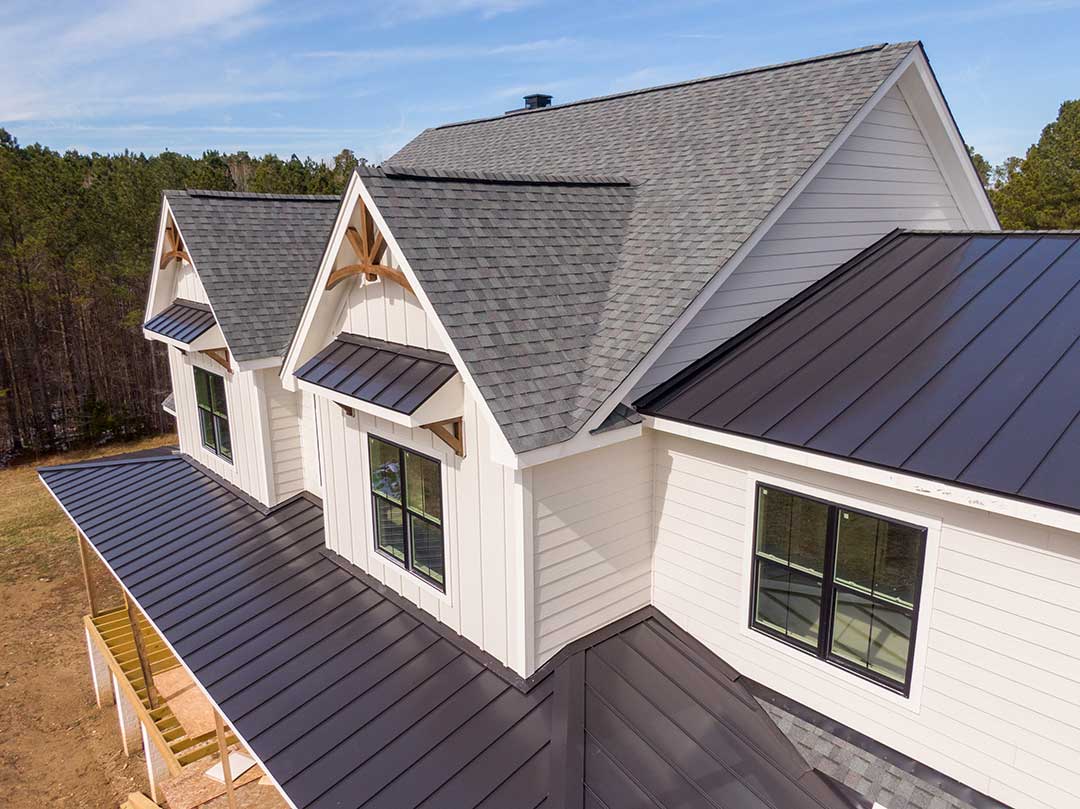
- Metal Roofing: Often Class A; non-combustible by nature and shed sparks easily.
- Clay and Concrete Tile: Also non-combustible and typically Class A, though installation method matters.
- Wood Shingles/Shakes: Naturally only Class C or unrated; may receive treated fire-resistant coatings, but these can degrade with age and the ratings may lapse.
It’s important for homeowners to look for documentation stating the specific fire rating of chosen materials and ask whether the full roof assembly (material plus underlayment and installation method) is required for that rating.
Does Adding a Fire-Resistant Roof Make a Difference in Everyday Life?
A fire-rated roof acts as an important protective barrier during emergencies, but most days, residents won’t notice a difference in appearance or function. In the event of a stray ember—whether from a backyard fire pit or a distant lightning strike—Class A roofs are less likely to catch or allow a fire to penetrate into the attic and living space.
Fire-resistant roofs also help reduce risks from:
- Chimney sparks landing on the roof during winter heating season
- Nearby brush or debris burning
- Lightning strikes causing spot fires
- Accidental ignition from utility wires or nearby construction
This can translate to extra time for safe evacuation and less property loss if a fire does occur.
What Are Some Common Myths About Roof Fire Ratings?
Misunderstandings about fire-rated roofing are common, especially in communities where wildfires are rare. Some frequent misconceptions include:
- All asphalt roofs are equally fire-resistant: Only those with fiberglass mats and proper underlayment achieve high ratings.
- Fire ratings last forever: Weathering, age, and changes to the roof system can affect the original rating over time.
- Metal roofs are always fireproof: The metal itself won’t ignite, but if installed over combustible decking without a rated assembly, the underlying materials could still be at risk.
Residents should rely on up-to-date fire rating certifications for roofing assemblies—not just the surface material—to judge true effectiveness.
How Can Homeowners in Warsaw Tell If Their Roof Is Fire-Rated?
For newer homes or recent roof replacements, look for manufacturing labels or product literature that indicate the official rating (A, B, or C). It’s common for warranties or receipts to include fire rating details as well. When in doubt, check with the building department for records or ask an inspector for guidance—especially if planning repairs, additions, or insurance renewals.
Roofs older than 30 years may lack documentation or have materials no longer produced to current standards, so evaluation could be necessary before assuming any given rating.
Practical Steps to Improve Roof Fire Safety Locally
Regardless of existing fire rating, residents in the community can boost roof fire safety by:
- Regularly clearing leaves and debris from roof surfaces and gutters, as buildup can act as fuel
- Trimming overhanging tree branches to prevent falling limbs from igniting the roof
- Checking the condition of roof materials and promptly addressing damaged, loose, or degraded sections
- Ensuring attic vents and soffits are screened to block embers from entering
These small adjustments can make a substantial difference in slowing the progress of an exterior fire.
