
Roof leaks rarely come from a single obvious hole. Water may enter through damaged shingles, loose flashing, blocked drainage, ice buildup, or moisture that forms inside the attic. The visible ceiling stain is often several feet away from the actual entry point.
For households in Warsaw, winter snow, repeated freeze-thaw cycles, wind-driven rain, aging housing materials, and heavy summer storms can all expose weaknesses in a roof system. Understanding the likely causes makes it easier to recognize a developing problem before water damages insulation, ceilings, framing, or interior finishes.
What are the most common causes of roof leaks?
The most common causes are damaged roofing materials, failed flashing, clogged gutters, ice dams, roof penetrations, poor ventilation, and installation or maintenance problems. Some leaks appear only during heavy rain, while others occur during snowmelt or rapid temperature changes.
Damaged, missing, or aging shingles
Shingles are the outer layer that sheds most rainfall. They can crack, curl, blister, loosen, or lose protective granules as they age. High winds may lift shingles or remove them entirely, leaving the underlayment and roof decking exposed.
Damage is not always easy to see from the ground. A roof may look generally intact while having a few wind-damaged shingles near the ridge, eaves, valleys, or roof edges. Granules collecting in gutters can also indicate surface wear, although a small amount of granule loss is normal on many roofs.
A leak may begin after one storm but result from gradual deterioration that has been present for months or years.
How does flashing cause roof leaks?
Flashing is the material installed around roof joints and penetrations to direct water away from vulnerable areas. It is commonly found around chimneys, plumbing vent pipes, skylights, valleys, dormers, walls, and roof edges.
Failed flashing is one of the most frequent reasons a roof leaks even when the shingles appear to be in reasonable condition. Flashing can corrode, separate, crack, loosen, or be covered by poorly applied sealant. Water may also enter where two roof surfaces meet if the flashing was installed incorrectly.
Older homes may have flashing details that have been repaired several times. A patch can slow water temporarily without correcting the underlying drainage problem. Sealant also becomes brittle over time and should not be treated as a permanent substitute for properly fitted flashing.
Why do ice dams lead to leaks in winter?
Ice dams form when heat escapes into the attic and warms part of the roof while the eaves remain below freezing. Snow melts on the warmer area, flows downward, and refreezes near the colder roof edge. The resulting ice ridge can hold water against the roofing materials.
That backed-up water may work beneath shingles and enter the attic or upper walls. In Warsaw, this risk is most noticeable after periods of snow followed by sunshine, mild temperatures, or sudden warming.
Large icicles do not always mean a leak is occurring, but repeated ice buildup can signal problems with attic insulation, air sealing, or ventilation. Chopping ice with a tool can damage shingles and create additional openings. Snow and ice removal from a roof can also be hazardous because of falls, hidden weak spots, and falling material.
Can clogged gutters make a roof leak?
Yes. Gutters and downspouts that are clogged with leaves, roofing granules, ice, or other debris may prevent water from draining normally. Water can overflow against fascia boards, soak roof edges, or collect near low sections of the roof.
A backed-up gutter can also contribute to rotted wood and damaged soffits, creating paths for moisture to reach the attic or wall cavities. During heavy rainfall, overflowing gutters may make a roof appear to be leaking even when the original problem is poor drainage.
Gutter problems are especially likely after autumn leaf fall and before winter freezing. Downspouts should discharge water away from the foundation and should not be allowed to drain directly against exterior walls.
Do roof valleys leak more often?
Roof valleys deserve close attention because they collect and channel a large volume of water. Valleys may be formed with exposed metal, specialized shingles, or layered flashing materials. Leaves, pine needles, snow, and ice can accumulate there and slow drainage.
Leaks may develop when valley materials are damaged, improperly overlapped, or worn through. A valley can also leak when fasteners are exposed or when water is forced sideways beneath roofing during wind-driven storms.
Complex roofs with multiple slopes, dormers, and intersecting sections have more valleys and transition points. Each additional junction creates another location where water-shedding details must work correctly.
What roof penetrations can allow water inside?
Anything that passes through the roof creates a potential entry point. Common examples include:
- Plumbing vent pipes
- Chimneys
- Skylights
- Bathroom and kitchen exhaust vents
- Attic vents
- Satellite or antenna mounts
- Solar equipment and other roof-mounted hardware

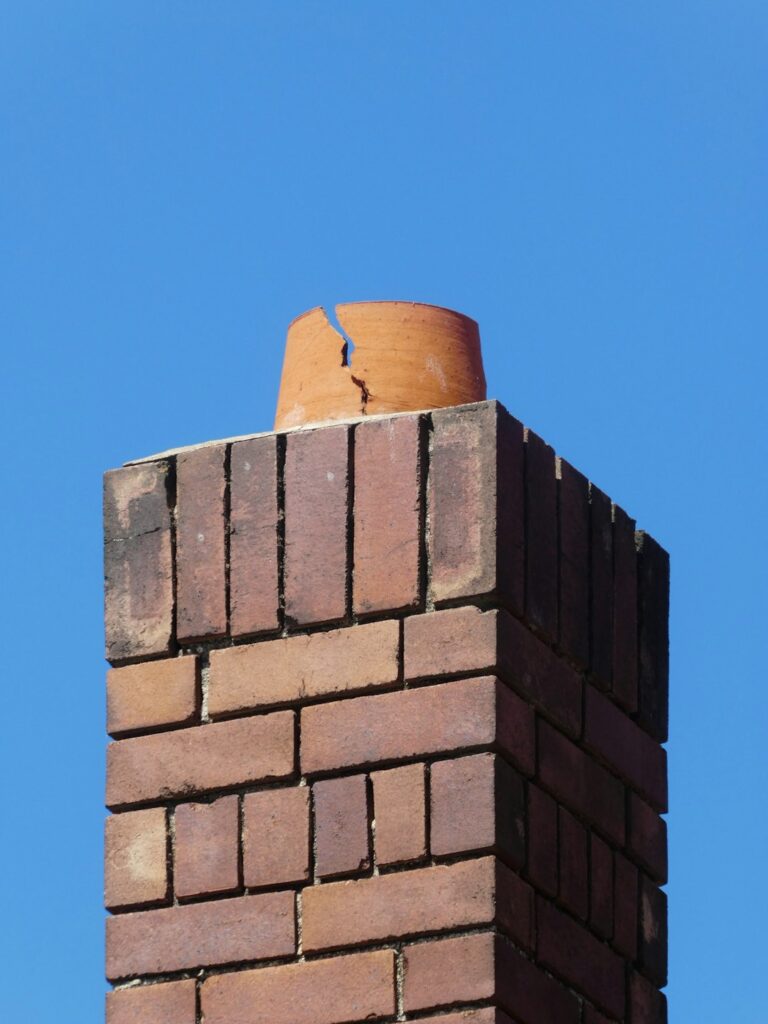
The penetration itself may be sound while the surrounding boot, collar, flashing, or seal fails. Plumbing vent boots often crack or deteriorate with age. Chimney leaks may originate at the upper flashing, the masonry, or the joint between the chimney and roof.
Water can travel along framing, insulation, or the underside of the roof deck before appearing inside. This is why the ceiling stain may not be directly below the damaged area.
How can attic ventilation and condensation look like a roof leak?
Not every ceiling stain is caused by rain entering from outside. Warm, moist indoor air can reach a cold attic and condense on roof decking, nails, or other cold surfaces. This moisture may drip or create stains that resemble a conventional roof leak.
Bathroom fans, kitchen exhaust fans, and clothes dryers should vent outdoors rather than into an attic. Blocked soffit vents, insufficient insulation, and gaps around attic hatches, light fixtures, or ductwork can also increase moisture problems.
Condensation is more likely during cold weather, while a roof leak may appear after rain or snowmelt. In practice, both conditions can exist at the same time, so the timing and location of the moisture should be considered carefully.
Can wind and storms create sudden leaks?
Strong wind can lift shingles, loosen flashing, damage ridge caps, and push rain beneath overlapping roofing materials. Heavy branches may puncture shingles or damage the roof deck. Hail can bruise roofing materials without leaving a clearly visible hole.
Summer thunderstorms can expose weak areas quickly, while winter winds may create openings that do not leak until the next thaw. After severe weather, loose debris, new ceiling stains, damp attic insulation, or exposed underlayment are signs that the roof should be examined safely.
What should residents do when a leak appears?
Start by protecting belongings and containing active drips with a bucket or other container. If water is near a light fixture, outlet, or electrical wiring, avoid contact with the area and use caution around electrical equipment.
Inside the attic, only inspect if the space can be entered safely. Look for wet insulation, darkened wood, daylight, rusted fasteners, or water trails, but do not walk on areas that may be unsupported.
Documenting when the leak occurs can help identify the cause. Note whether it happens during wind, steady rain, snowmelt, or a rapid thaw. A leak that stops and starts may still be causing hidden damage behind ceilings or walls.
Roof work becomes especially hazardous during snow, ice, strong wind, or wet conditions. Structural damage, electrical hazards, and active water intrusion may require qualified evaluation rather than an improvised repair.
